
Roger Kelley, Owner
Same Day Water Heater Repair
Fast, 24/7 Emergency Repairs & Replacements
Quick & Easy Estimate
WATER HEATER REPAIR & INSTALLATION
Water Heater Services: Expert repair, replacement, and installation.
Water Heater Repair
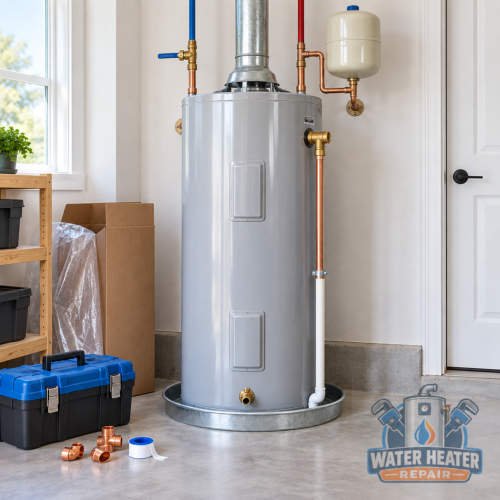
Water heaters require professional care to provide dependable hot water, operate efficiently, and protect your home from leaks and water damage. Our experienced team provides water heater repair, component replacement, troubleshooting, and preventive maintenance for tank and tankless systems. Accurate diagnostics and quality repairs restore performance, improve safety, and help extend the life of your water heater.
Water Heater Replacement
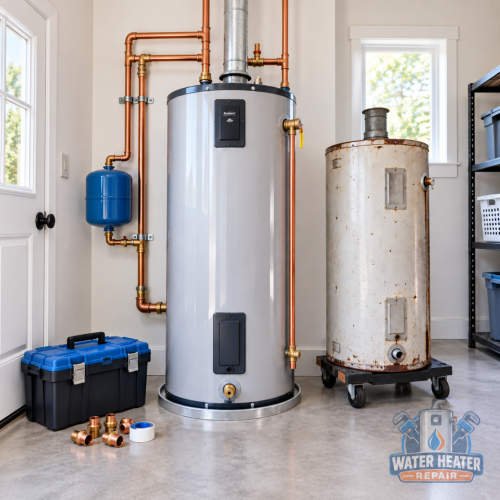
An outdated water heater can cause unreliable hot water, higher energy costs, leaks, and unexpected property damage. Our professional water heater replacement services help homeowners choose and install the right tank or tankless system for their household’s hot-water needs. Proper sizing, secure connections, and code-compliant installation provide dependable performance, improved efficiency, and lasting peace of mind.
Water Heater Installation
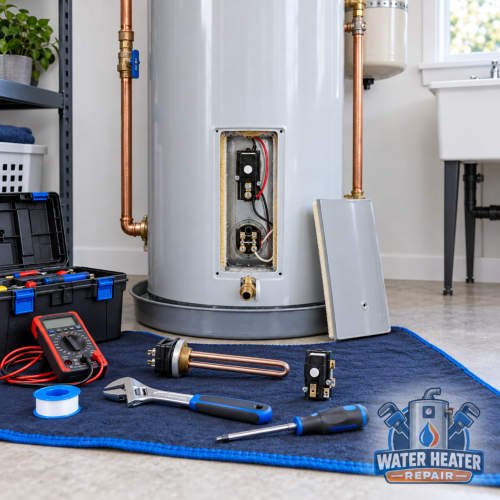
Professional water heater installation helps ensure reliable hot water, efficient operation, and safe performance throughout your home. Our team installs properly sized tank and tankless water heaters with secure plumbing connections, correct venting, and code-compliant safety components. A correctly installed water heater delivers consistent comfort, reduces energy waste, and supports dependable long-term performance.
Water Heater Repair, Installation and Emergency Services
Water heater service protects comfort, property, and safe operation when hot water stops, a tank leaks, controls fail, or equipment reaches the end of its useful service life. This complete service hub covers emergency water heater problems first, followed by diagnosis, repair, installation, replacement, maintenance, equipment-specific work, and component services for homes and commercial properties.
Choose the page that best matches the symptom or project. Every service page explains warning signs, professional procedures, repair-versus-replacement factors, cost variables, maintenance, safety, and related options. Because gas, electricity, hot water, combustion, and pressure can create serious hazards, stop and follow the emergency directions below whenever immediate danger is possible.
Emergency Water Heater Services
Emergency conditions take priority. Leave the area and contact emergency responders when there is fire, smoke, sparking, shock, a suspected fuel-gas leak, a carbon monoxide alarm, possible carbon monoxide symptoms, or uncontrolled hot water or steam. Do not operate electrical switches near a suspected gas leak. Do not stand in water around energized equipment. Water heater repair begins only after the scene is safe.
- Emergency Water Heater Repair
- Leaking Water Heater Repair
- Burst Water Heater Tank Response
- No Hot Water Emergency Repair
- Water Heater Gas Leak Response
- Water Heater Carbon Monoxide Concern
- Water Heater Electrical Failure
- Overheating Water Heater Emergency
- Temperature and Pressure Relief Valve Emergency
- Flooded Water Heater Service
Emergency Water Heater Repair
Emergency Water Heater Repair provides focused help for urgent water heater failures, including evaluation of water around the unit, loss of hot water, unusual sounds, unsafe temperatures, gas odors, combustion concerns, or electrical symptoms.
Leaking Water Heater Repair
Leaking Water Heater Repair provides focused help for active water heater leaks, including evaluation of water beneath the tank, moisture at fittings, dripping valves, corrosion trails, damp insulation, or a rising utility bill.
Burst Water Heater Tank Response
Burst Water Heater Tank Response provides focused help for ruptured or rapidly leaking storage tanks, including evaluation of fast-spreading water, a split tank, severe corrosion, ceiling or floor damage, or a tank that will not stop releasing water.
No Hot Water Emergency Repair
No Hot Water Emergency Repair provides focused help for sudden loss of hot water, including evaluation of cold water at every fixture, intermittent recovery, ignition failure, tripped protection, error codes, or a system that stopped after a power or gas interruption.
Water Heater Gas Leak Response
Water Heater Gas Leak Response provides focused help for suspected fuel-gas leaks near a water heater, including evaluation of a sulfur or rotten-egg odor, hissing, damaged connectors, unexplained fuel use, or concern after appliance work.
Water Heater Carbon Monoxide Concern
Water Heater Carbon Monoxide Concern provides focused help for carbon monoxide alarms or combustion concerns, including evaluation of a sounding carbon monoxide alarm, soot, exhaust odor, backdrafting, discoloration, blocked venting, or occupants reporting headache, dizziness, nausea, weakness, chest pain, or confusion.
Water Heater Electrical Failure
Water Heater Electrical Failure provides focused help for dangerous or disruptive electrical symptoms, including evaluation of sparks, smoke, burning odors, hot wiring, repeated breaker trips, water near electrical parts, loss of power, or damaged controls.
Overheating Water Heater Emergency
Overheating Water Heater Emergency provides focused help for water that is dangerously hot or a unit that will not stop heating, including evaluation of scalding water, steam, boiling or rumbling sounds, a high-temperature shutdown, relief-valve activity, or faucets delivering hotter water than the control setting suggests.
Temperature and Pressure Relief Valve Emergency
Temperature and Pressure Relief Valve Emergency provides focused help for active temperature-and-pressure relief events, including evaluation of hot water or steam at the discharge pipe, repeated valve opening, uncontrolled dripping, excessive pressure symptoms, or a missing, capped, or improperly routed discharge line.
Flooded Water Heater Service
Flooded Water Heater Service provides focused help for water heaters exposed to flooding or standing water, including evaluation of a submerged burner or control, wet insulation, water above electrical components, flood debris, corrosion, or a unit that was energized after water exposure.
Core Water Heater Services
- Water Heater Repair
- Water Heater Installation
- Water Heater Replacement
- Water Heater Maintenance
- Water Heater Inspection
- Water Heater Troubleshooting
Core services address the full equipment lifecycle. Diagnosis identifies the cause of a problem; repair corrects a serviceable failure; maintenance reduces preventable trouble; installation and replacement match equipment to demand, utilities, space, and current requirements. An inspection can document condition and help prioritize work before a breakdown.
Water Heater Repair
Water Heater Repair provides focused help for general water heater problems, including evaluation of inconsistent temperatures, slow recovery, leaks, noise, odors, discolored water, error codes, or rising energy use.
Water Heater Installation
Water Heater Installation provides focused help for new water heater installations, including evaluation of new construction, an added hot-water demand, a fuel change, a capacity upgrade, or replacement of an absent system.
Water Heater Replacement
Water Heater Replacement provides focused help for aging, leaking, inefficient, or failed water heaters, including evaluation of a leaking tank, repeated breakdowns, heavy corrosion, inadequate capacity, unavailable parts, or repair costs that no longer make sense.
Water Heater Maintenance
Water Heater Maintenance provides focused help for preventive water heater care, including evaluation of sediment noise, slower recovery, neglected service, minor seepage, aging anodes, or a desire to reduce surprise failures.
Water Heater Inspection
Water Heater Inspection provides focused help for condition and safety evaluations, including evaluation of a property transaction, unexplained performance change, visible corrosion, questionable installation, old equipment, or a need for a repair-versus-replace opinion.
Water Heater Troubleshooting
Water Heater Troubleshooting provides focused help for difficult-to-identify hot-water problems, including evaluation of intermittent faults, unclear error codes, changing temperatures, poor recovery, nuisance shutdowns, unusual sounds, or higher operating costs.
Water Heater Types and Technologies
- Tank Water Heater Repair
- Gas Water Heater Repair
- Electric Water Heater Repair
- Tankless Water Heater Repair
- Tankless Water Heater Installation
- Tankless Water Heater Maintenance
- Heat Pump Water Heater Installation
- Power Vent Water Heater Service
Storage, tankless, gas, electric, heat-pump, and power-vent systems use different controls, installation details, and diagnostic procedures. Selecting the relevant equipment page helps align troubleshooting with the actual energy source, venting method, flow requirements, capacity, and manufacturer instructions.
Tank Water Heater Repair
Tank Water Heater Repair provides focused help for conventional storage water heaters, including evaluation of tank leaks, slow recovery, insufficient hot water, rumbling, pilot problems, failed elements, or valve issues.
Gas Water Heater Repair
Gas Water Heater Repair provides focused help for natural-gas or propane water heaters, including evaluation of pilot or ignition failure, burner shutdown, soot, poor recovery, venting problems, error codes, or abnormal flame behavior.
Electric Water Heater Repair
Electric Water Heater Repair provides focused help for electric resistance water heaters, including evaluation of no hot water, limited hot water, repeated breaker trips, slow recovery, overheating, element noise, or thermostat faults.
Tankless Water Heater Repair
Tankless Water Heater Repair provides focused help for on-demand water heating systems, including evaluation of error codes, ignition failure, fluctuating temperature, low flow, scale restriction, venting faults, or unexpected shutdown.
Tankless Water Heater Installation
Tankless Water Heater Installation provides focused help for new on-demand systems, including evaluation of space constraints, efficiency goals, long draws, replacement planning, or interest in eliminating standby tank storage.
Tankless Water Heater Maintenance
Tankless Water Heater Maintenance provides focused help for preventive on-demand water heater service, including evaluation of scale-related error codes, reduced flow, temperature fluctuation, overdue descaling, inlet debris, or declining performance.
Heat Pump Water Heater Installation
Heat Pump Water Heater Installation provides focused help for hybrid heat pump water heaters, including evaluation of high electric water-heating costs, equipment replacement, electrification goals, or interest in efficient storage heating.
Power Vent Water Heater Service
Power Vent Water Heater Service provides focused help for fan-assisted and power-vent water heaters, including evaluation of fan noise, pressure-switch faults, ignition lockout, blocked vent codes, condensate, delayed startup, or intermittent shutdown.
Specialty and Component Services
- Commercial Water Heater Repair
- Residential Water Heater Service
- Water Heater Leak Detection
- Water Heater Heating Element Replacement
- Water Heater Thermostat Replacement
- Water Heater Pilot Light Repair
- Water Heater Gas Control Valve Replacement
- Water Heater Burner Repair
- Water Heater Anode Rod Replacement
- Water Heater Dip Tube Replacement
- Temperature and Pressure Relief Valve Replacement
- Water Heater Drain Valve Replacement
- Water Heater Expansion Tank Installation
- Hot Water Recirculation Pump Service
- Water Heater Flushing
- Water Heater Sediment Removal
- Water Heater Venting Repair
- Water Heater Code Upgrade Service
Targeted services cover leak detection, heating elements, thermostats, pilot and burner systems, gas controls, anodes, dip tubes, safety valves, drain valves, expansion control, recirculation, flushing, sediment, venting, and code-related corrections. Component replacement should follow testing; replacing a part by guesswork can miss the root cause or leave an unsafe condition unresolved.
Commercial Water Heater Repair
Commercial Water Heater Repair provides focused help for business and facility hot-water systems, including evaluation of service disruption, inadequate recovery, multiple-unit faults, leaks, control alarms, sanitation concerns, or abnormal operating cost.
Residential Water Heater Service
Residential Water Heater Service provides focused help for household hot-water systems, including evaluation of temperature changes, insufficient capacity, leaks, noise, aging equipment, recurring faults, or planned upgrades.
Water Heater Leak Detection
Water Heater Leak Detection provides focused help for hidden or uncertain water sources near water heaters, including evaluation of intermittent puddles, damp flooring, wall stains, corrosion, condensation, valve drips, or moisture that appears only during heating.
Water Heater Heating Element Replacement
Water Heater Heating Element Replacement provides focused help for failed electric heating elements, including evaluation of no hot water, limited hot water, slow recovery, electrical noise, resistance-test failure, or a breaker problem associated with heating.
Water Heater Thermostat Replacement
Water Heater Thermostat Replacement provides focused help for faulty water heater temperature controls, including evaluation of water that is too hot, too cool, inconsistent, slow to recover, or associated with high-limit trips or uneven element operation.
Water Heater Pilot Light Repair
Water Heater Pilot Light Repair provides focused help for pilot and ignition problems on gas water heaters, including evaluation of a pilot that will not light or stay lit, repeated shutdown, weak flame, ignition clicking, draft sensitivity, or lack of burner operation.
Water Heater Gas Control Valve Replacement
Water Heater Gas Control Valve Replacement provides focused help for failed gas control valves and integrated thermostats, including evaluation of no burner operation, unreliable ignition, temperature-control faults, diagnostic codes, or a valve confirmed defective after testing.
Water Heater Burner Repair
Water Heater Burner Repair provides focused help for gas water heater burner assemblies, including evaluation of delayed ignition, uneven flame, soot, popping, poor recovery, repeated shutdown, or corrosion at the burner.
Water Heater Anode Rod Replacement
Water Heater Anode Rod Replacement provides focused help for sacrificial anode protection in storage tanks, including evaluation of an aging tank, depleted anode material, corrosion risk, certain hot-water odors, or a maintenance schedule calling for inspection.
Water Heater Dip Tube Replacement
Water Heater Dip Tube Replacement provides focused help for damaged storage-tank dip tubes, including evaluation of hot water that becomes lukewarm quickly, reduced usable capacity, plastic particles at fixtures, or performance that changed without a heating fault.
Temperature and Pressure Relief Valve Replacement
Temperature and Pressure Relief Valve Replacement provides focused help for failed or unsuitable temperature-and-pressure relief valves, including evaluation of persistent dripping, a seized or corroded valve, improper rating, leakage after testing, or an unsafe discharge arrangement.
Water Heater Drain Valve Replacement
Water Heater Drain Valve Replacement provides focused help for leaking, clogged, or damaged tank drain valves, including evaluation of dripping at the valve, inability to drain, a broken handle, sediment blockage, or leakage after maintenance.
Water Heater Expansion Tank Installation
Water Heater Expansion Tank Installation provides focused help for thermal expansion control for closed plumbing systems, including evaluation of pressure swings, relief-valve dripping, a newly installed backflow device, water-hammer concerns, or a code-driven installation need.
Hot Water Recirculation Pump Service
Hot Water Recirculation Pump Service provides focused help for hot-water recirculation systems, including evaluation of long waits for hot water, a noisy or failed pump, unwanted heat, temperature imbalance, timer problems, leaks, or excessive energy use.
Water Heater Flushing
Water Heater Flushing provides focused help for manufacturer-appropriate tank or tankless flushing, including evaluation of rumbling, visible sediment, scale-related performance loss, overdue maintenance, or water-quality conditions that accelerate mineral buildup.
Water Heater Sediment Removal
Water Heater Sediment Removal provides focused help for heavy mineral and debris accumulation, including evaluation of popping or rumbling, reduced capacity, slow recovery, cloudy drain water, hot spots, or repeated clogging.
Water Heater Venting Repair
Water Heater Venting Repair provides focused help for exhaust venting for fuel-burning water heaters, including evaluation of loose or corroded vent sections, soot, backdrafting, melted material, moisture, draft-related shutdowns, or an inspection finding.
Water Heater Code Upgrade Service
Water Heater Code Upgrade Service provides focused help for water heater installation corrections and upgrades, including evaluation of inspection findings, missing restraints, unsafe discharge piping, improper venting, inadequate drainage, connection issues, or replacement work that triggers current requirements.
How Professional Water Heater Service Works
- Describe the issue: note when it began, whether it is constant, recent work, error codes, leaks, noises, and changes in demand.
- Screen for hazards: identify gas, combustion, electrical, scalding, pressure, flooding, and structural concerns before ordinary troubleshooting.
- Inspect and test: confirm the symptom and test relevant systems, controls, connections, and components.
- Compare options: review repair scope, replacement factors, equipment choices, installation corrections, and expected timing.
- Complete and verify: perform authorized work, test through an operating cycle, check for leaks, and explain operation and maintenance.
Repair Versus Water Heater Replacement
A repair may be the right choice when the tank or heat exchanger is sound, the fault is isolated, parts are available, and the overall installation remains serviceable. Replacement is generally more appropriate for an internally leaking tank, severe corrosion, compromised heat exchanger, unsuitable capacity, obsolete equipment, repeated failures, or a project in which necessary corrections make further repair poor value. Equipment age matters, but condition, history, efficiency, demand, installation cost, and ownership plans matter too.
Water Heater Service Cost Factors
Cost depends on the equipment type, diagnosis, part availability, access, capacity, energy source, draining, scale, corrosion, venting or electrical corrections, plumbing changes, disposal, permits, inspections, and scheduling needs. A useful estimate states what work is included and identifies conditions that could change the price. The lowest initial quote is not always the lowest total cost if it excludes required corrections or testing.
Safety, Permits and Workmanship
Water heater work can involve combustible fuel, exhaust gases, line voltage, water under pressure, high temperatures, drainage, structural supports, and property protection. Requirements differ by jurisdiction and system. Work should follow current manufacturer instructions, listed component requirements, permits and inspections where required, and the codes enforced for the property. Fuel, venting, electrical, and pressure-safety work belongs with appropriately qualified professionals.
Frequently Asked Questions
What counts as a water heater emergency?
Potential gas or carbon monoxide exposure, fire, smoke, sparks, shock, uncontrolled flooding, a ruptured tank, scalding temperatures, and hot water or steam from a relief discharge deserve immediate attention. Life-safety hazards require evacuation or emergency responders before contractor service.
Why is there no hot water?
Possible causes include an interrupted utility supply, failed heating element, thermostat, ignition part, burner, gas control, flow sensor, high-limit device, wiring, venting condition, scale, or demand beyond the system’s capacity. Testing is the reliable way to identify the cause.
Can a leaking tank be repaired?
Leaks from accessible fittings or replaceable valves may be repairable. Leakage through the storage tank shell generally indicates tank failure and a need for replacement. Moisture should be traced before a conclusion is made because condensation and nearby plumbing can imitate a tank leak.
How often should a water heater be maintained?
Follow the manufacturer schedule and adjust it for equipment type, water conditions, demand, and prior findings. Tank flushing or tankless descaling is not identical for every system, and neglected or heavily corroded equipment may need evaluation before aggressive service.
Which water heater type is best?
The best choice depends on hot-water demand, simultaneous use, incoming-water temperature, available energy, utility capacity, venting, space, noise, condensate, water quality, efficiency goals, budget, and expected ownership. A load and site assessment is more useful than a one-size-fits-all recommendation.
Use the service links above to move from this homepage to a focused page. Each page links back here, creating a clear two-way path through the complete water heater service library.
Quick & Easy Estimate
WATER HEATER REPAIR & INSTALLATION
Water heater leaking, making strange noises, or leaving you without hot water? Get help with water heater repair, troubleshooting, and replacement for tank and tankless systems. Request service to find the right fix and restore reliable hot water.
WATER HEATER SERVICES
SERVICE AREAS
- Pinson, AL
- Trussville, AL
- Clay, AL
- Gardendale, Al
- Center Point, AL
- Fultondale, AL
- Birmingham, AL
- Mountain Brook, AL
- © 2026 Countywide SEO.
- All rights reserved.
- Terms of Use
- Privacy Policy
- Website Disclaimer
- Cookie Policy